
GLIMS Journal of Management Review and Transformation

Vinoth Kumar S1 , Anand Bharathi S2, Rajamohan S3 and Unika David1
1PG and Research Department of Commerce, Patrician College of Arts and Science, University of Madras, Chennai, Tamil Nadu, India
2VIT Business School, Vellore Institute of Technology, Vellore, Tamil Nadu, India
3Fatima College, Madurai, Tamil Nadu, India

This article is distributed under the terms of the Creative Commons Attribution-NonCommercial 4.0 License (https://creativecommons.org/licenses/by-nc/4.0/) which permits non-commercial use, reproduction and distribution of the work without further permission provided the original work is attributed as specified on the SAGE and Open Access page (https://us.sagepub.com/en-us/nam/open-access-at-sage).
This article examines the evolution of research at the intersection of financial technology (fintech) and sustainable development through a bibliometric and integrative review of 256 documents indexed in Scopus and Web of Science up to July 2024. The study illustrates the publication trends, influential sources, authors, countries, collaboration patterns, and thematic structures, and sheds light on the evolving knowledge base from a Dynamic Capabilities Theory perspective. The results reveal a significant increase in research starting from 2020, characterised by the emergence of key themes such as financial inclusion, green finance, natural resources, Sustainable Development Goals, and digital financial ecosystems. Thematic and co-occurrence analysis also shows that, across the sample, sustainable finance, Environmental, Social, and Governance (ESG) practices, blockchain, big-data analytics and artificial intelligence are increasingly converging with fintech. The review suggests that fintech is not just a financial technology, but a mechanism that enables organisations and financial systems to ‘feel’ opportunities and change regarding sustainability and then capture and digitise them with financial technology, as well as reconfigure financial processes, stakeholder relationships, governance and resources. The study goes beyond the descriptive development of fintech research to highlight implications for firm behaviour, stakeholder relations, governance, innovation, and strategy. It also establishes a research programme on new technologies, climate and green finance, digital inclusion, ESG, governance and organisational transformation towards sustainability.
Fintech, sustainable development, bibliometric analysis, thematic analysis, integrative review
Introduction and Conceptual Foundations of Fintech and Sustainable Development
The financial services industry has undergone significant changes in the way financial services are organised and delivered, and fintech has been a major contributor to this transformation (Gomber et al., 2018; Matyushok et al., 2021). Financial services are now faster, more data-driven, and more accessible thanks to mobile technologies, artificial intelligence (AI), big-data analytics, blockchain, and digital payment systems (Agrawal et al., 2024; Kumari & Devi, 2022). The developments have transcended the simple digitisation of existing financial processes to the creation of intertangled financial digital ecosystems which have the potential of changing the way financial service institutions, companies, consumers, investors and regulators interact.
Sustainable development also needs a financial system that can promote economic growth, social integration and environmental protection. The availability of financial resources is thus not only a precondition for sustainable development but also its efficiency, transparency and inclusiveness in mobilising and allocating these resources (Griggs et al., 2014; Peeters, 2003). Financial institutions are therefore important agents of sustainable development as their lending, investing and risk assessment policies affect capital allocation for activities in line with the sustainability goals and Sustainable Development Goals (SDGs) are included (Ng et al., 2020). The connection between fintech and sustainable development flows from this function of finance as a resource allocation tool.
The impact of fintech can revolutionise the accessibility, speed, cost, transparency and traceability of financial transactions and investment decisions. Digital payments, digital banking, digital lending, peer-to-peer finance, crowdfunding and data financing can increase access to finance, especially for people who do not have access to financial services and small and medium enterprises. Meanwhile, digital investment platforms, green finance offered by the financial sector, and data-based assessment of sustainability can enable the mobilisation of funds for renewable energies, Environmental, Social, and Governance (ESG)-oriented businesses, and more sustainable actions (Dar et al., 2024; Liu et al., 2022; Macchiavello & Siri, 2022). Therefore, the significance of fintech for sustainable development goes beyond technology to how it can help to transform financial processes and the actions of stakeholders in financial ecosystems. This is also an organisational and institutional implication. As a result of integrating financial capabilities that are powered by fintech, companies can change the way they see opportunities, make investment decisions, manage risks, communicate with stakeholders, and allocate resources.
Digital financial technologies can also transform stakeholder relations through a more level playing field, reduced information asymmetries and transaction barriers, and blockchain, AI, and big-data systems can provide transparency, monitoring, and more data-informed governance. Fintech can also bridge the gap between financial institutions, companies, governments, investors, and communities in relation to sustainable financial services at the ecosystem level. The above opportunities do not imply a straightforward link between the two distinct fields of fintech and sustainable development, but rather a process of technological and organisational change. There is evidence in the literature on several aspects of this relationship. Financial inclusion is associated with mobile banking, digital wallets, digital lending and other models which bring formal financial services to the unbanked segment of the population (Gupta et al., 2023; Mookerjee et al., 2025).
The term green finance and sustainable investment has come to be linked with fintech platforms, enhanced information flows and digital solutions for financing environmentally friendly projects (Kwong et al., 2023; Macchiavello & Siri, 2022). Other highly cited studies across the present dataset are related to income inequality and fintech, ESG and financial inclusion, circular-economy business models, green innovation, enterprise transformation and sustainable resource utilisation. These strands are reflective of the transition in the field from a technology-focused conception of what fintech is to a more comprehensive analysis of its economic, social, environmental and organisational implications. So far, the literature on financial inclusion, green finance, sustainable investment, digital transformation, environmental governance and technology innovation is scattered. While there have been recent reviews of the relationship between fintech and sustainable development, the intellectual framework of the field and the linkages between fintech capabilities and changes in organisational and institutional activity in the quest for sustainability have not yet been sufficiently synthesised (Huang, 2025; Offiong et al., 2025). Particularly, there has been little focus on the evolution of the literature in terms of changes in firm behaviour, stakeholder relationships, governance, innovation and strategy. This gap can be addressed by a bibliometric and integrative review that will reveal the structure and evolution of the knowledge base, by enabling the themes to be interpreted within a coherent theoretical framework.
Accordingly, this study has four objectives:
To examine the growth and intellectual development of research linking fintech and sustainable development.
To identify the dominant and emerging thematic structures in the field.
To interpret how fintech-enabled sustainability research relates to organisational behaviour, stakeholder relations, governance, innovation, and strategy.
To develop a theory-informed agenda for future research.
Theoretical Lens: DCT
The theoretical perspective used to understand the development of the fintech-sustainable development literature is Dynamic Capabilities Theory (DCT). DCT is used to interpret the development of fintech-sustainable development literature. According to Teece et al. (1997), dynamic capabilities are organisational processes that help companies adapt and reconfigure resources in the face of technological and market shifts. Teece (2007) then comes up with three sets of interrelated skills: sensing, seizing, and reconfiguring, which describe how organisations discover opportunities and marshal resources around them, and how they convert resources and processes. This view is especially relevant to the fintech industry, given the swift pace of technological advancements and the necessity for organisations to adapt as necessary.
For the purposes of this review, fintech may be defined as a technological capability that can be applied and reconfigured in various ways by organisations and the financial ecosystem, thus implying sustainability consequences. The sensing dimension is about recognising emerging sustainability needs and opportunities, including the gaps in the financial markets, climate finance needs, ESG information needs, and emerging digital financial needs. The seizing dimension relates to the creation and availability of digital payments, digital lending, green-finance platforms, sustainable investment mechanisms, AI-based analytics, blockchain applications and other fintech solutions that will meet the above opportunities. The reconfiguring dimension reflects changes in organisational processes, the allocation of resources, stakeholder relationships, governance mechanisms and business strategies that can help fintech deliver lasting economic, social and environmental value.
This theoretical interpretation also serves as a link between the bibliometric results and the organisational themes that were found in the review. Financial inclusion can be seen as an opportunity for sustainability that fintech can sense and seize, green finance as the mobilisation of financial and technological resources for sustainability; and enterprise transformation, innovation, governance and stakeholder engagement as possible reconfiguration outcomes. In fact, the literature leaves the adoption of fintech behind to shift to questions of transformation of the organisation and the related sustainability performance, which DCT explains. The framework does not suggest that sustainable development outcomes are necessarily generated by fintech. Instead, the results are highly dependent on organisational capacities, the institutional context, governance arrangements and on technology actors’ ability to combine technological innovation with sustainability goals.
Research Methodology
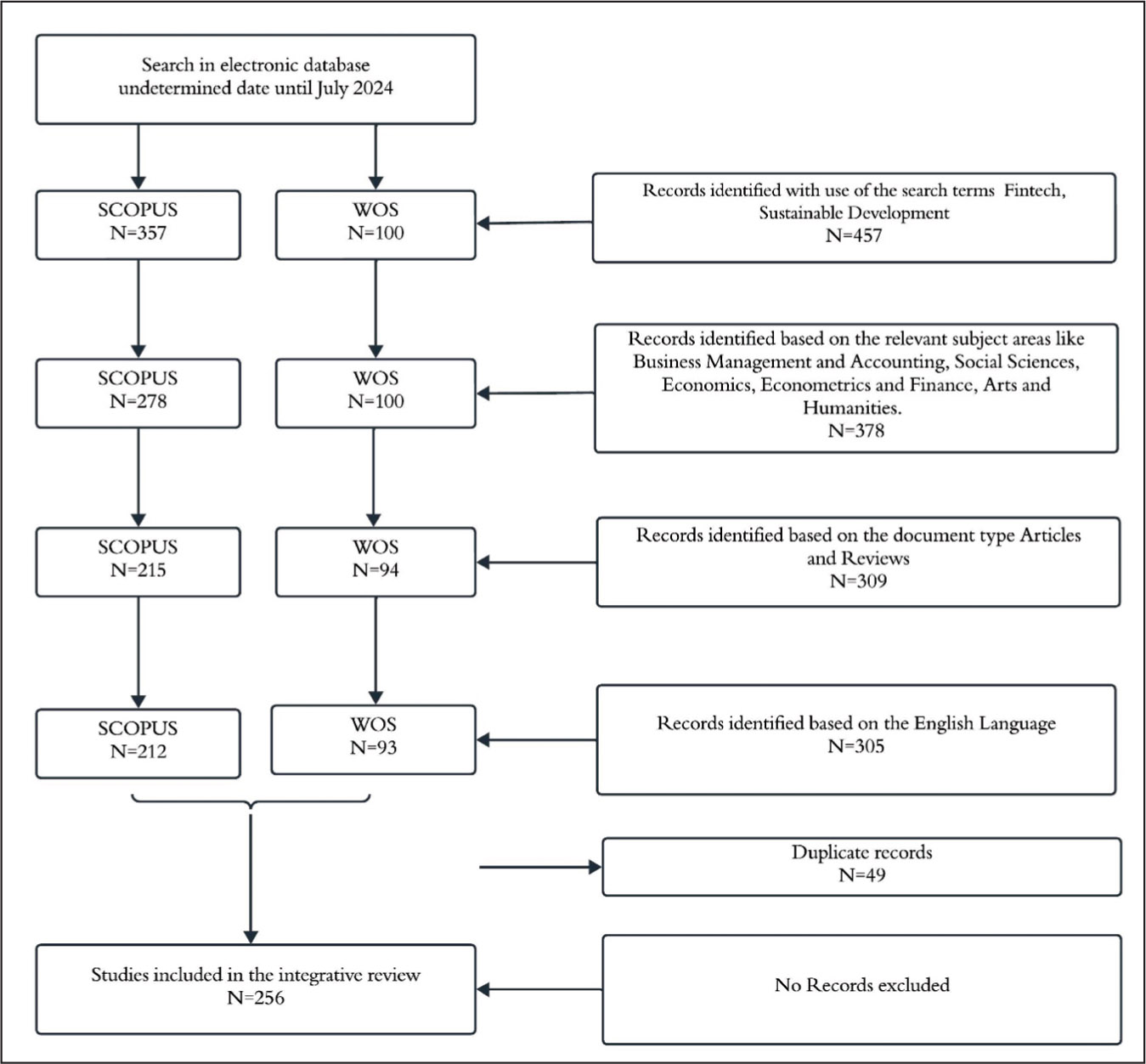
The review process included a search of the Scopus and Web of Science (WoS) databases for literature published until July 2024. Using ‘Fintech’ and ‘Sustainable Development’ as the search terms, a total of 457 records were retrieved, comprising 357 records from Scopus and 100 from WoS. Using integrative review and bibliometric techniques, a detailed analysis of the abstracts and other relevant content of all the articles was conducted. The structured analysis of the articles collected from the two databases provided information concerning the major trends and themes in the field. This analysis not only summarised the findings of the collected articles but also identified research gaps and suggested directions for future studies.
The inclusion and exclusion criteria were established and implemented to ensure the relevance and quality of the selected records. In the first stage of filtering, the records were restricted by document type and subject area, retaining only publications from Business, Management and Accounting, Social Sciences, Economics, Econometrics and Finance, and Arts and Humanities. This subject-area filtering reduced the total number of records to 378. The subsequent document-type filter, retaining articles and reviews, reduced the dataset to 309 records.
Subsequently, only articles published in English were considered. The removal of four non-English records resulted in a total of 305 records. Duplicate records were then identified and removed, reducing the final dataset to 256 unique records. These 256 records were selected for the bibliometric analysis. This process was important to eliminate duplicate publications and ensure that the review remained systematic and free from bias (Figure 1).
Further, to strengthen the analysis, bibliometric and qualitative methods were combined. Bibliometric techniques were applied to quantitatively analyse the selected records, while qualitative interpretation was used to explain the observed patterns. Data relating to publication year, source, journal, authors, keywords, abstracts, citations, and other bibliographic information were extracted from the selected documents. The findings were then presented using established bibliometric techniques and appropriate visualisations.
Bibliometric Analysis of Fintech and Sustainable Development Research
Descriptive Statistics of Publications
Between 2017 and 2024, the academic community produced 256 publications in this field across 97 journals and other publication sources. A total of 736 authors contributed to these publications, demonstrating the collaborative nature of the field, with far more works written by multiple authors (711) than by single authors (25). The average number of citations per document was 11.32, suggesting that the research has made a good academic impact. Additionally, 13.28% of the publications involved researchers from different countries, indicating a good level of international collaboration.
The 1,234 Keywords Plus (ID) and 764 Author’s Keywords (DE) demonstrate the rich and diverse nature of research in this field. On average, each author contributed to 0.34 documents, with an average of 2.875 authors (3.44 co-authors) per document, reflecting the highly collaborative nature of contemporary research. Overall, the review period has been quite productive in terms of research activity and academic collaboration (Table 1).
| Description | Results |
| Documents | 256 |
| Sources | 97 |
| Keywords plus (ID) | 1234 |
| Author’s keywords (DE) | 764 |
| Period | 2017–2024 |
| Average citations per document | 11.32 |
| Authors | 736 |
| Authors of single-authored documents | 25 |
| Author of multi-authored documents | 711 |
| Single-authored documents | 26 |
| Documents per author | 0.34 |
| Authors per document | 2.875 |
| Co-authors per documents | 3.44 |
| International co-authorship % | 13.28 |
Annual Publication and Citation Trends
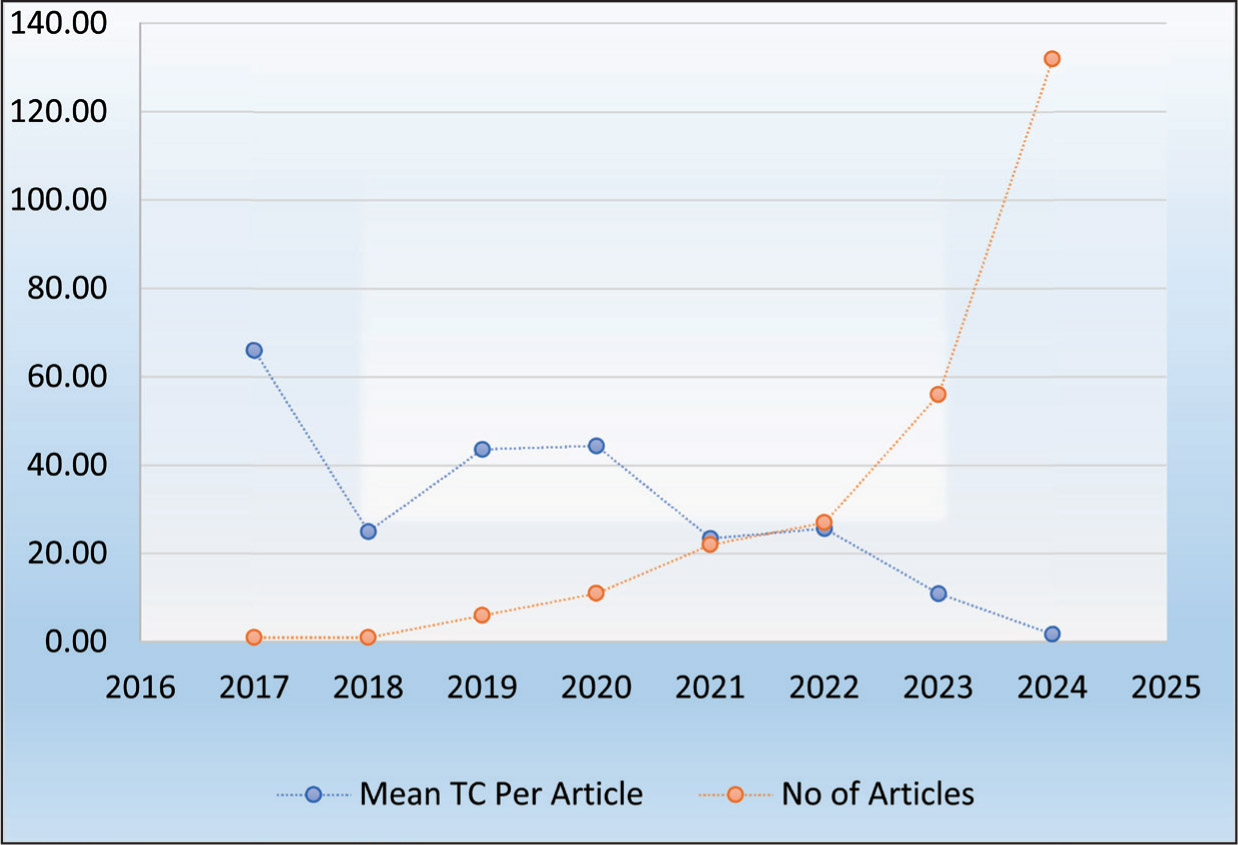
Publications related to fintech and sustainable development have increased substantially between 2017 and 2024. Both 2017 and 2018 recorded only one publication each, whereas 2024 recorded 132 publications, reflecting the rapid growth of the field. The average total citations (TC) per article peaked at 66.00 in 2017 and gradually declined to 1.77 in 2024.
A notable increase in publication output began in 2021, with 22 publications, and further increased to 56 publications in 2023. Although the number of publications has grown significantly over time, the average citations per article have declined (Table 2). This pattern is expected in bibliometric studies because recently published articles have had less time to accumulate citations. Therefore, the lower citation counts of recent publications should not be interpreted as lower research quality but rather as a citation time-lag effect (Figure 2).
| Year | No of Articles | Mean TC Per Article |
| 2017 | 1 | 66.00 |
| 2018 | 1 | 25.00 |
| 2019 | 6 | 43.67 |
| 2020 | 11 | 44.45 |
| 2021 | 22 | 23.45 |
| 2022 | 27 | 25.70 |
| 2023 | 56 | 10.95 |
| 2024 | 132 | 1.77 |
Leading Journals and Sources
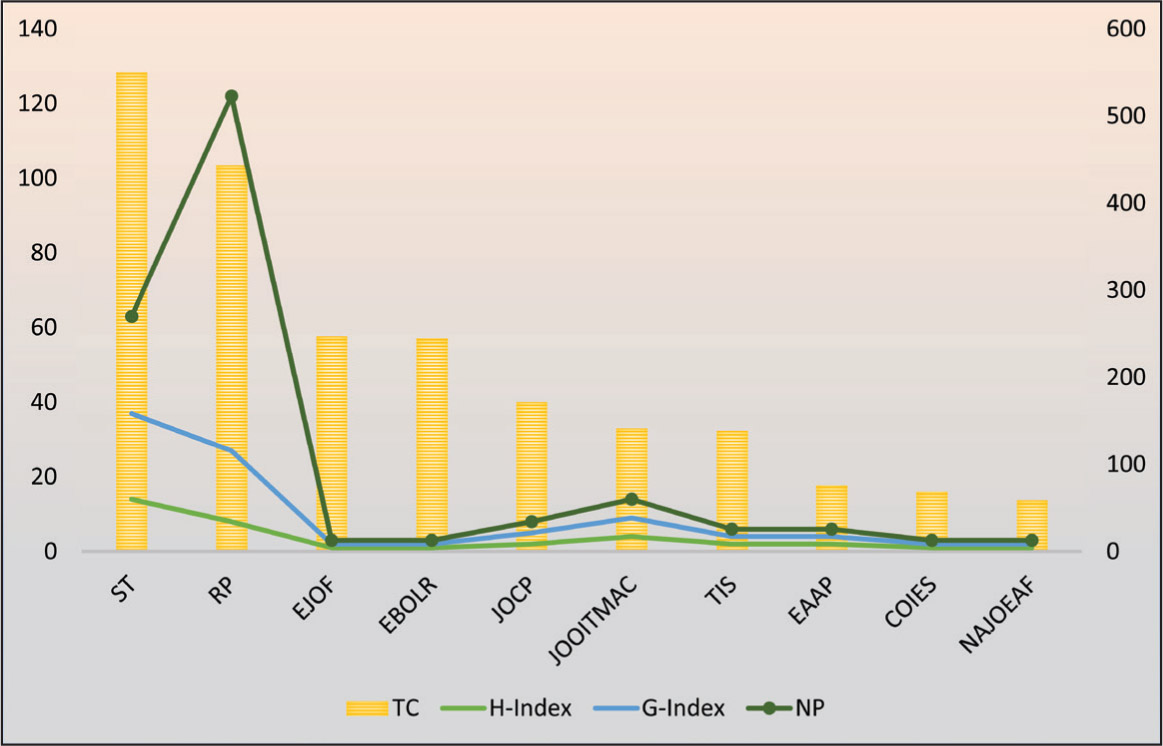
The analysis of the leading publication sources shows that Sustainability ranks first with an H-index of 14, G-index of 23, 550 citations, and 26 publications. Resources Policy ranks second with an H-index of 8, G-index of 19, 443 citations, and 95 publications, reflecting strong research productivity and impact. Single-publication sources such as the European Journal of Finance and the European Business Organisation Law Review have H-index and G-index values of 1 but have received 247 and 245 citations, respectively, demonstrating the significant influence of individual publications (Table 3). The Journal of Cleaner Production recorded 172 citations from three publications, with an H-index of 2 and a G-index of 3. Similarly, the Journal of Open Innovation: Technology, Market, and Complexity recorded an H-index of 4, a G-index of 5, and 142 citations from five publications. Overall, the analysis demonstrates the varying levels of journal productivity and influence in fintech and sustainable development research (Figure 3).
| Source | H-index | G-index | TC | NP |
| ST | 14 | 23 | 550 | 26 |
| RP | 8 | 19 | 443 | 95 |
| EJOF | 1 | 1 | 247 | 1 |
| EBOLR | 1 | 1 | 245 | 1 |
| JOCP | 2 | 3 | 172 | 3 |
| JOOITMAC | 4 | 5 | 142 | 5 |
| TIS | 2 | 2 | 139 | 2 |
| EAAP | 2 | 2 | 76 | 2 |
| COIES | 1 | 1 | 69 | 1 |
| NAJOEAF | 1 | 1 | 59 | 1 |
Influential Authors and Countries
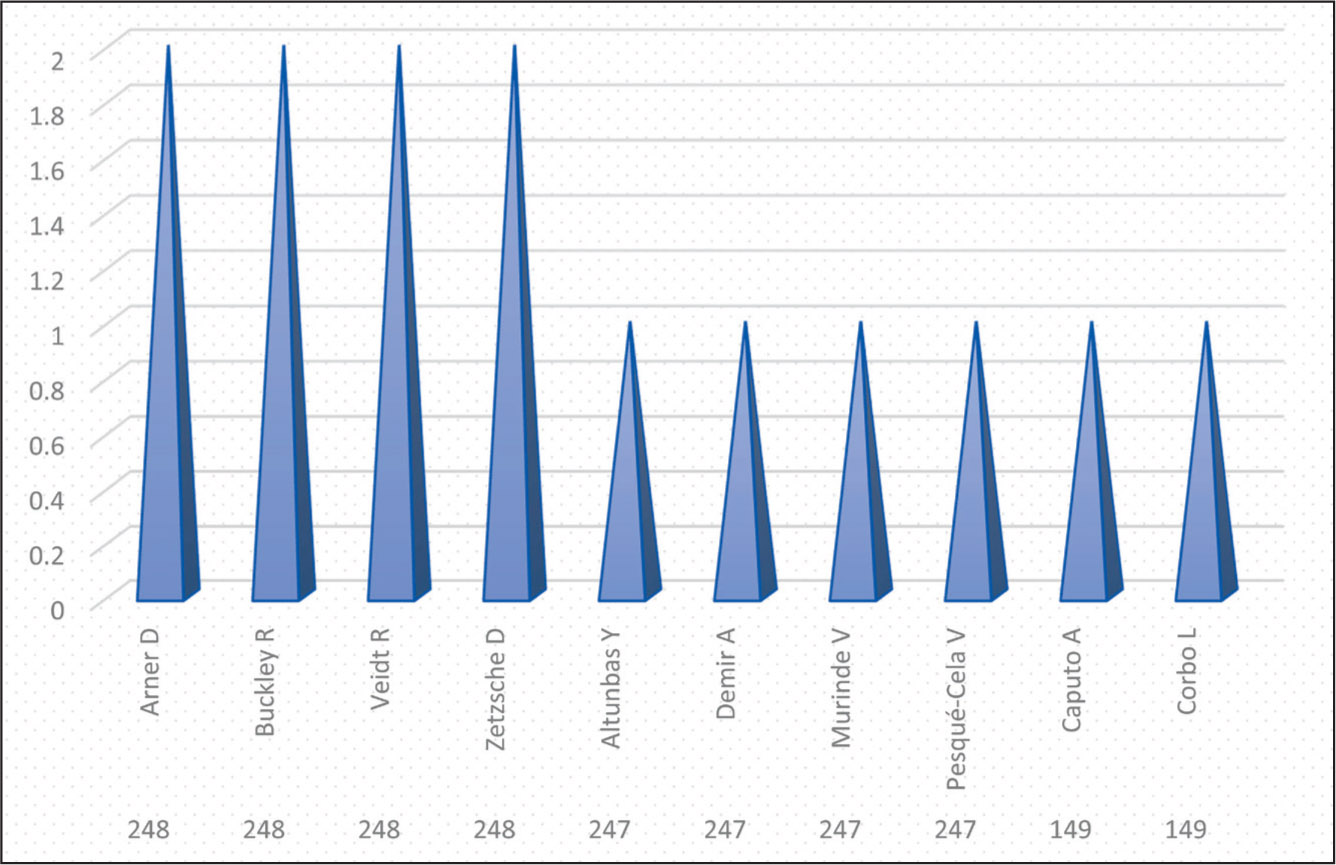
The citation analysis reveals noticeable differences among authors and countries. Authors such as Arner D., Buckley R., Veidt R., and Zetzsche D. each received 248 citations from two publications. In contrast, Altunbas Y., Demir A., Murinde V., and Pesqué-Cela V. each received 247 citations from a single publication, demonstrating that one highly influential article can significantly shape a research field. Similarly, Caputo A. and Corbo L. each received 149 citations from one publication. These findings highlight the importance of both collaborative and individual research contributions (Table 4).
| TC | Authors | TP | TC | Country | TP |
| 248 | Arner D | 2 | 856 | China | 118 |
| 248 | Buckley R | 2 | 403 | United Kingdom | 7 |
| 248 | Veidt R | 2 | 251 | Hong Kong | 3 |
| 248 | Zetzsche D | 2 | 125 | Hungary | 4 |
| 247 | Altunbas Y | 1 | 124 | Indonesia | 3 |
| 247 | Demir A | 1 | 121 | Spain | 8 |
| 247 | Murinde V | 1 | 99 | Pakistan | 5 |
| 247 | Pesqué-Cela V | 1 | 92 | Italy | 4 |
| 149 | Caputo A | 1 | 69 | Netherlands | 1 |
| 149 | Corbo L | 1 | 51 | India | 11 |
Figure 4 illustrates the publication trends of prominent authors in fintech and sustainable development research. Each dot represents a publication, while the size of the dot represents its citation impact.
Li J., represented by the red dots, has shown the highest research output and a significant increase in citation impact in recent years. This suggests a strong contribution to topics such as green fintech, digital finance, and financial inclusion. Chen Z., represented by the blue dots, also demonstrates sustained publication output and citation impact, particularly in blockchain, AI, and sustainable finance (Figure 5).
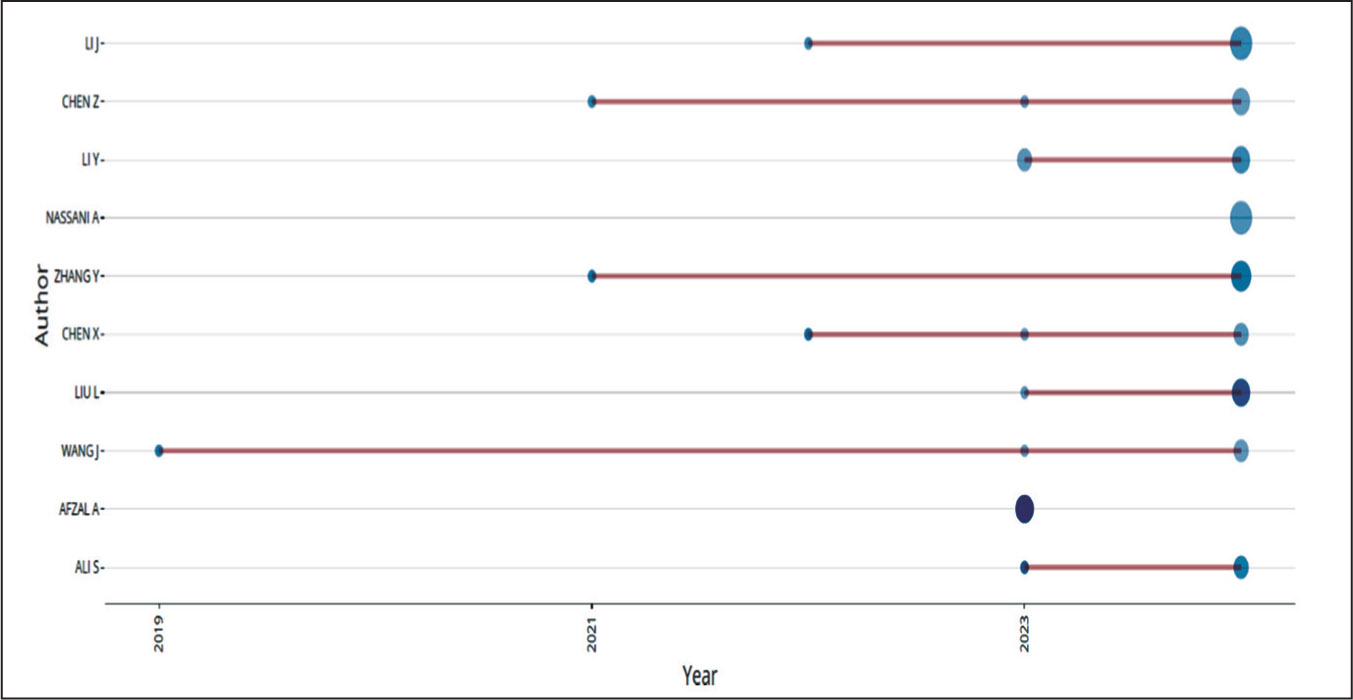
Li Y., represented by the green dots, has also made an important contribution, although the citation impact has been less consistent. The author’s work appears to focus on digital payments, financial inclusion, and fintech support for small and medium-sized enterprises (SMEs). Nassani A., shown by the yellow dots, has maintained moderate research output, with work focusing on fintech, sustainable agriculture, digital finance, and poverty alleviation.
Zhang Y., represented by the purple dots, has shown increasing citation impact over time, suggesting growing recognition in areas such as urban sustainability and fintech-enabled sustainable finance. Chen X., represented by the light blue dots, has also demonstrated increasing influence through research relating to the SDGs and sustainable livelihoods.
Liu L., represented by the orange dots, has contributed valuable research on fintech regulation and sustainable development, although with comparatively lower citation impact. Wang J., represented by the brown dots, has shown a gradual increase in both publication output and citation influence over time. Afzal A. has also continued contributing to fintech-related sustainability research.
Finally, Au S., represented by the grey dots, has shown a gradual increase in research visibility, particularly concerning fintech integration, sustainable development policy, and fintech applications in developing countries. Overall, the figure demonstrates that the field continues to grow through the sustained contributions of several influential researchers.
Country Contributions and Global Citation Trends
At the country level, China recorded an impressive 856 citations from 118 publications, demonstrating both high productivity and significant research impact. The United Kingdom achieved 403 citations from only seven publications, indicating a high citation impact per publication. Similarly, Hong Kong, Hungary, and Indonesia produced relatively few publications but achieved strong citation performance.
Spain and Pakistan also made notable contributions, while Italy and the Netherlands continued to produce influential research despite lower publication volumes. India, with 11 publications and 51 citations, demonstrates an emerging research presence in fintech and sustainable development. Overall, the findings highlight the diverse international contributions to this growing research field (Figure 6).
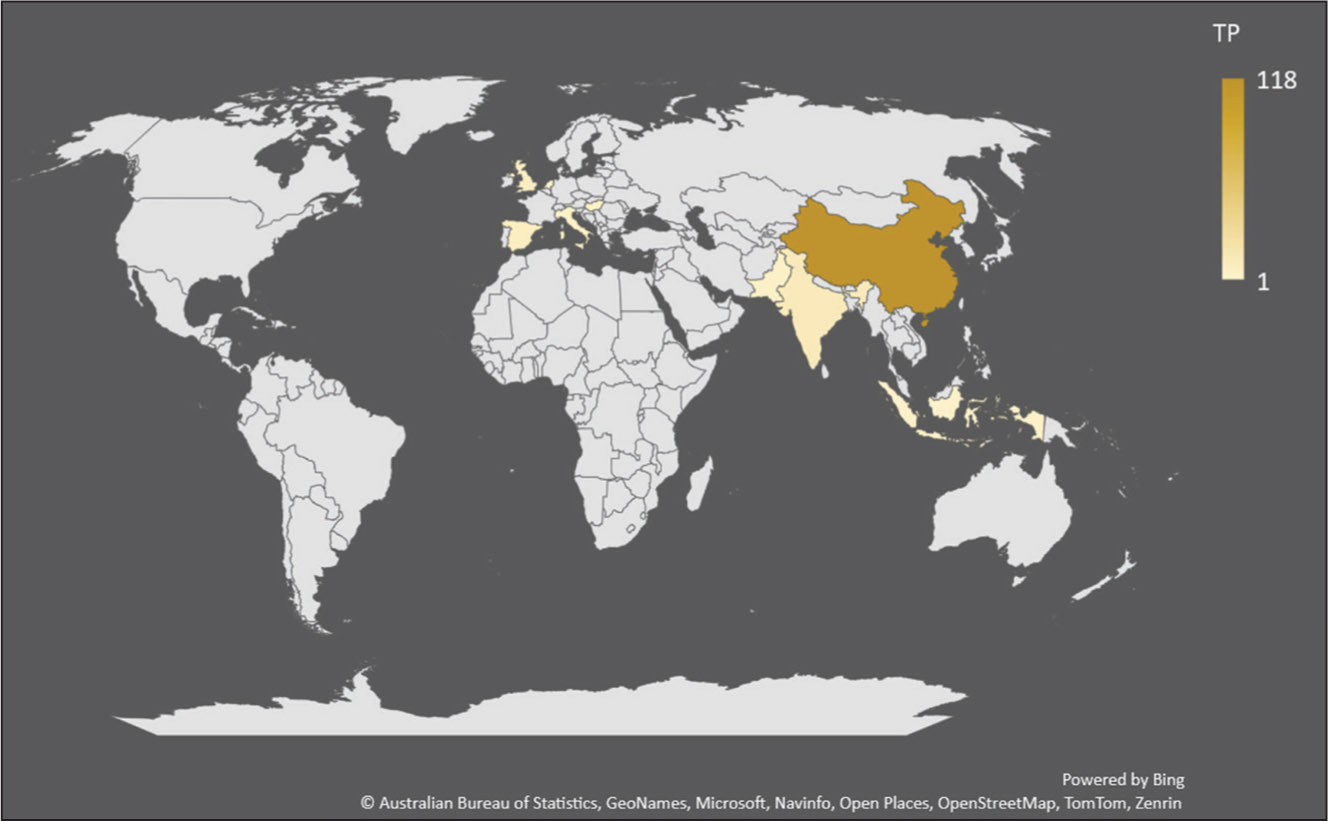
Global Citation Trends for Authors, Countries, and Institutions Over Time
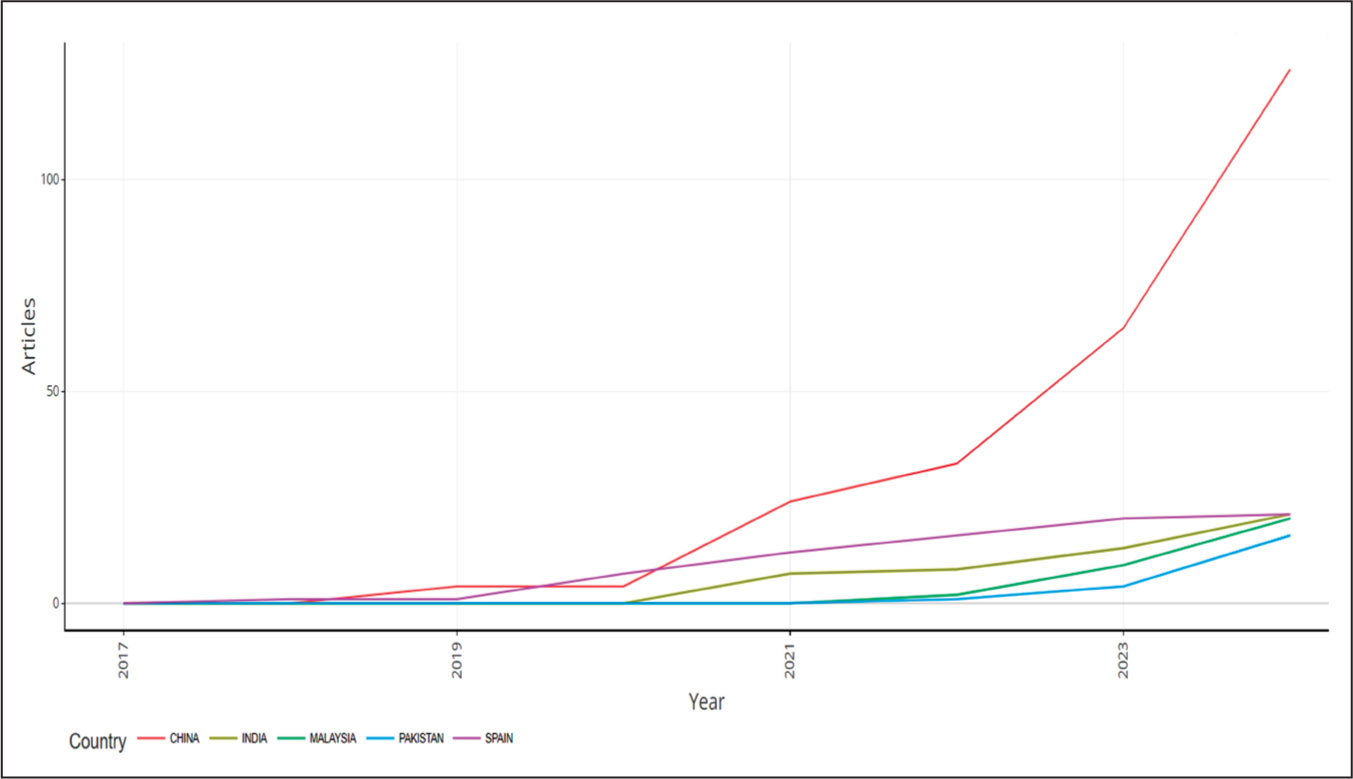
Between 2017 and 2024, significant growth occurred in global research on fintech and sustainable development. China experienced the most substantial increase in publications after 2020, which coincides with increased government support for digital finance, green finance, and sustainable development initiatives.
China’s growth reflects its leading position in interdisciplinary research combining fintech and sustainability. The United States has maintained a steady research output, largely focusing on renewable energy financing, sustainable finance, AI, and big-data applications. India has shown gradual but consistent growth, with research emphasising financial inclusion, mobile banking, digital payments, and support for SMEs.
The United Kingdom has also maintained steady growth through research on green finance, sustainable investment platforms, and regulatory technology (RegTech) for ESG compliance. Pakistan has increasingly focused on fintech applications for financial inclusion, rural development, and microfinance, while Spain has contributed consistently through research on sustainable finance, digital finance, and the European Union’s Green Deal (Figure 7).
Highly Cited Articles
The highly cited articles demonstrate the growing role of fintech in Sustainable Development and Financial Inclusion. Demir (2022), published in the European Journal of Finance, examined the relationship between fintech, financial inclusion, and income inequality, receiving 247 citations. Arner (2020), published in the European Business Organisation Law Review, explored sustainability, ESG, and Financial Inclusion, receiving 245 citations.
Pizzi (2021) discussed sustainable business models for SMEs within the circular economy in the Journal of Cleaner Production, receiving 149 citations. Lisha (2023) examined natural resources, green innovation, fintech, and sustainability in Resources Policy, receiving 85 citations. Setiawan (2021) studied fintech adoption in Indonesia in the Journal of Open Innovation: Technology, Market, and Complexity, receiving 84 citations.
Deng (2019) investigated fintech and sustainable development using Chinese P2P lending data in Sustainability, receiving 74 citations. Luo (2022) examined fintech innovation and enterprise transformation in Technology in Society, receiving 73 citations. Hinson (2019) explored agribusiness transformation, the SDGs, and fintech in Current Opinion in Environmental Sustainability, while Zhao (2019) investigated fintech service innovation in China’s banking industry, with both studies receiving 69 citations. Finally, Awais (2023) examined fintech as a driver of sustainable resource utilisation and economic development in Resources Policy, receiving 67 citations.
Collectively, these studies demonstrate the growing importance of fintech in promoting sustainability, financial inclusion, and economic development across different sectors and geographical regions (Table 5).
| PY | AU | TI (Title) | SO (Source) | TC | DOI |
| 2022 | Demir A | Fintech, financial inclusion, and income inequality: A quantile regression approach | European Journal of Finance | 247 | |
| 2020 | Anner D | Sustainability, ESG, and financial inclusion | European Business Organisation Law Review | 245 | |
| 2021 | Prizi S | Fintech and SMEs sustainable business models: Reflections and considerations for a circular economy | Journal of Cleaner Production | 149 | |
| 2023 | Lisha L | Natural resources, green innovation, fintech, and sustainability: A fresh perspective | Resources Policy | 85 | |
| 2021 | Setiawan B | User innovativeness and fintech adoption in Indonesia | Journal of Open Innovation: Technology, Market, and Complexity | 84 | |
| 2019 | Deng X | Fintech and sustainable development: Evidence from China based on P2P data | Sustainability | 74 | |
| 2022 | Luo S | Does fintech innovation promote enterprise transformation? Evidence from China | Technology in Society | 73 | |
| 2019 | Hinson R | Transforming agribusiness in developing countries: SDGs and the role of fintech | Current Opinion on Environmental Sustainability | 69 | |
| 2019 | Zhao Q | Improving fintech service innovation strategies for enhancing China’s banking industry competitive advantage during the fintech revolution: A hybrid MCDM model | Sustainability | 69 | |
| 2023 | Awais M | Is fintech the missing link for sustainable resource utilisation and economic development? | Resources Policy | 67 |
Note: PY: Published Year, AU: Author, TI: Title, SO: Source, DOI: Digital Object Identifier, TC: Total Citations.
Institutional Contributions
Figure 8 illustrates the changing research contributions of leading universities in fintech and sustainable development. Zhejiang University, represented by the red line, shows a significant increase in research output between 2020 and 2023, reflecting its growing leadership in blockchain technology, digital finance, green fintech, and rural financial development.
Similarly, Peking University, represented by the blue line, demonstrates a comparable upward trend during the same period. Harvard University, represented by the green line, maintains the highest and most consistent research output, particularly in areas such as digital finance ethics, AI, big-data applications, and global sustainable development.
Tsinghua University has shown rapid growth in research related to green fintech and urban sustainability, while Stanford University has maintained consistent contributions focusing on technological innovation, sustainable business, and blockchain applications for supply chain transparency.
Several emerging institutions have also demonstrated above-average growth in recent years, reflecting increasing global interest in using fintech to address sustainability challenges. Overall, the figure highlights the growing leadership of Chinese universities, particularly Zhejiang University and Peking University, while established institutions such as Harvard and Stanford continue to play significant roles in advancing fintech and sustainable development research.
Thematic and Keyword Analysis
Frequently Occurring Keywords
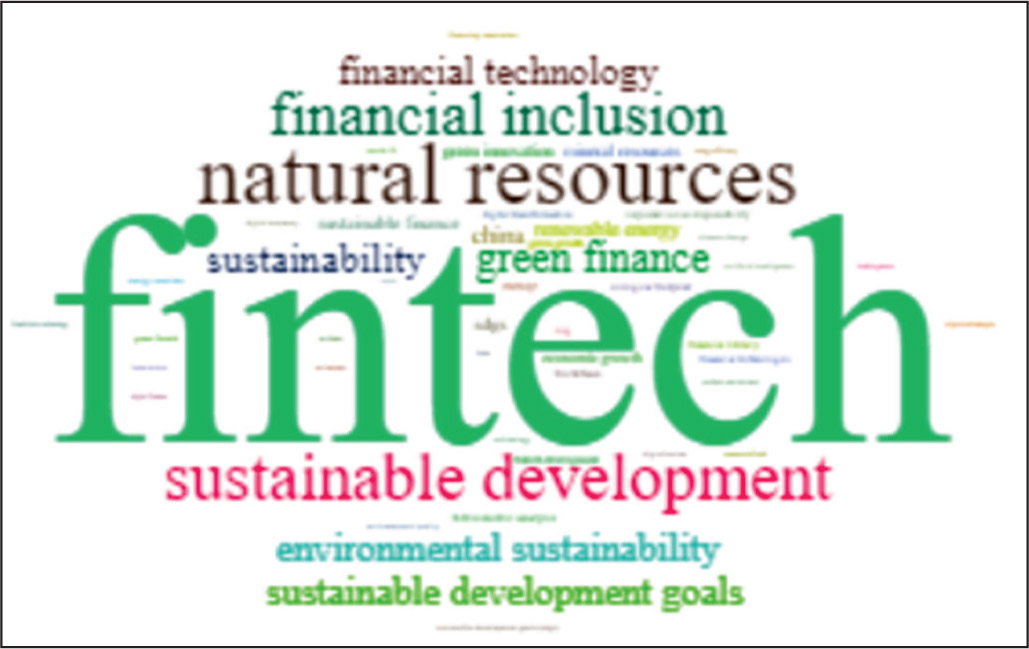
The frequency analysis of words in recent studies sheds light on the key themes and areas of interest in the discipline. The word ‘Fintech’ tops the list with 159 occurrences, signifying its importance in contemporary research (Table 6). ‘Natural Resources’ comes next with 43 occurrences, demonstrating the growing interest in the relationship between fintech and resource management. ‘Sustainable Development’, with 33 occurrences, represents one of the central themes of the field. ‘Financial Inclusion’, appearing 30 times, highlights the increasing focus on expanding access to financial services.
| Words | Occurrences |
| Fintech | 159 |
| Natural Resources | 43 |
| Sustainable Development | 33 |
| Financial Inclusion | 30 |
| Green Finance | 21 |
| Sustainability | 20 |
| Environmental Sustainability | 19 |
| Financial Technology | 19 |
| Sustainable Development Goals | 19 |
| Renewable Energy | 10 |
The occurrences of ‘Green Finance’ (21) and ‘Sustainability’ (20) reflect the growing emphasis on environmentally responsible financial activities. ‘Environmental Sustainability’ and ‘Financial Technology’ each appear 19 times, indicating continued attention to both environmental and technological dimensions. The ‘Sustainable Development Goals (SDGs)’ also appear 19 times, demonstrating how fintech research is increasingly linked with global sustainability objectives. Finally, ‘Renewable Energy’, with 10 occurrences, represents an important emerging area within sustainable finance. Overall, the word frequency analysis highlights the strong integration of fintech, sustainability, and financial inclusion in contemporary research (Figure 9).
Co-occurrence Network Analysis
The co-occurrence network map illustrates the relationships between important concepts or keywords that appear together in the literature on fintech and sustainability. In this visualisation, the nodes represent concepts, while the edges (lines) connecting them represent the frequency with which these concepts occur together in the literature. The size of the nodes and the thickness of the edges generally indicate the importance or strength of these relationships, helping to identify the major research themes and the integration of different research areas (Figure 10).
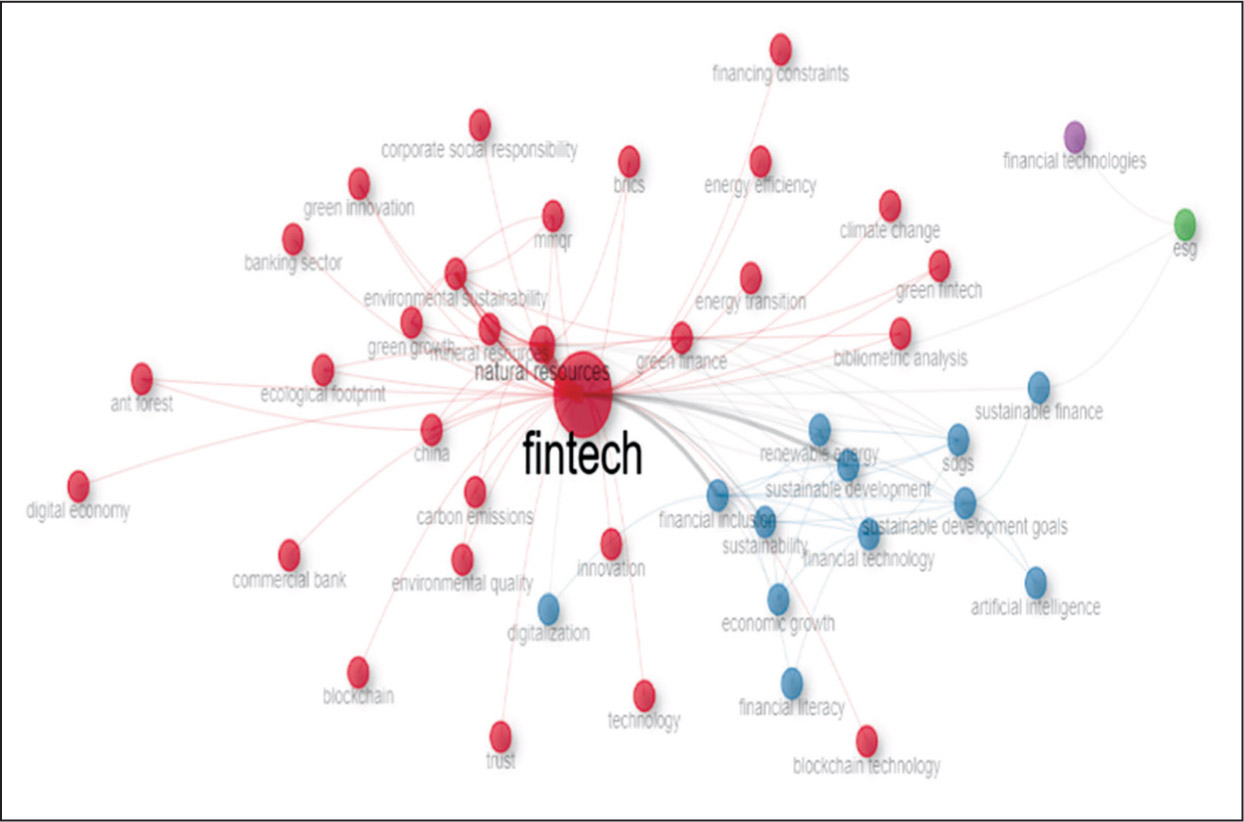
The largest node represents ‘fintech’, indicating that it is the central concept within the network. This suggests that fintech serves as the foundation of the research field, linking several related concepts. Its prominence demonstrates the importance of fintech across multiple research domains, including financial technologies, environmental sustainability, and innovative financial practices.
The network also shows several important thematic clusters surrounding fintech. One sustainability-oriented cluster includes ‘natural resources’, ‘climate change’, and ‘energy efficiency’. These keywords represent the environmental dimension of sustainable development and indicate that innovative financial technologies are increasingly being explored as solutions for environmental challenges, sustainable resource management, and climate change mitigation.
Another major cluster revolves around ‘financial technologies’, incorporating concepts such as ‘artificial intelligence’, ‘blockchain technology’, and ‘sustainable finance’. This cluster reflects the technological dimension of fintech research. It demonstrates how emerging technologies are being integrated to improve the efficiency, transparency, and sustainability of financial systems. Blockchain technology contributes to transparency and accountability, while AI supports prediction, analysis, and financial decision-making for sustainable development.
The network also illustrates the relationship between fintech and concepts such as corporate social responsibility (CSR) and environmental quality. This reflects increasing research interest in the ethical and governance aspects of fintech and how these technologies can support sustainable business practices. The close relationship between fintech and CSR indicates growing attention to improving corporate governance while reducing environmental and social impacts through technological innovation.
The network further highlights the connections between the banking sector, commercial banks, innovation, financial inclusion, and economic growth. Much of the existing research focuses on how fintech promotes access to financial services, particularly in developing countries, encourages entrepreneurship, and improves financial inclusion for economically and socially disadvantaged populations. The concept of innovation occupies a central role within these relationships, reflecting the transformative potential of fintech in modern financial systems.
Thematic Map and Research Clusters
The thematic map classifies research themes according to their levels of development and relevance (Figure 11). The themes are grouped into four quadrants: Motor Themes (high density and high centrality), Niche Themes (high density and low centrality), Basic Themes (high centrality and low density), and Emerging or Declining Themes (low density and low centrality).
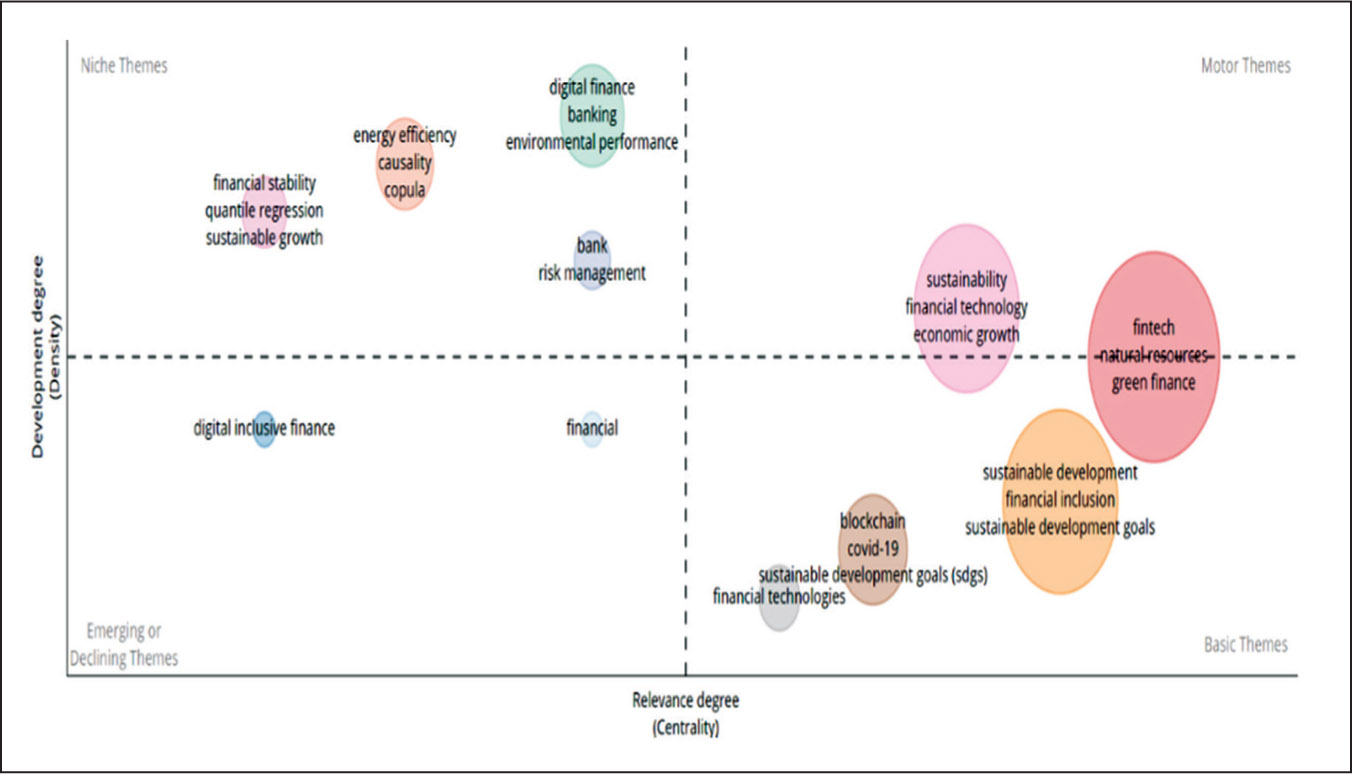
The Motor Themes include ‘fintech’, ‘natural resources’, and ‘green finance’, indicating that these topics are both highly developed and highly relevant within the field. In contrast, ‘blockchain’ and ‘COVID-19’ appear in the Emerging or Declining Themes quadrant, suggesting that these areas are still developing or remain relatively peripheral. The thematic map also indicates that ‘digital finance’ and ‘banking’ are highly relevant but comparatively less developed, suggesting promising opportunities for future research.
The three-field diagram illustrates the relationships among authors (AU), keywords (DE), and sources (SO) within fintech and sustainable development research (Figure 12). On the left, authors such as Li Y., Wang C., Zhang Y., and others are shown as active contributors to the field. The connections between the authors and the keywords illustrate the research topics they have investigated, including ‘fintech’, ‘sustainable development’, ‘green finance’, and ‘environmental sustainability’.
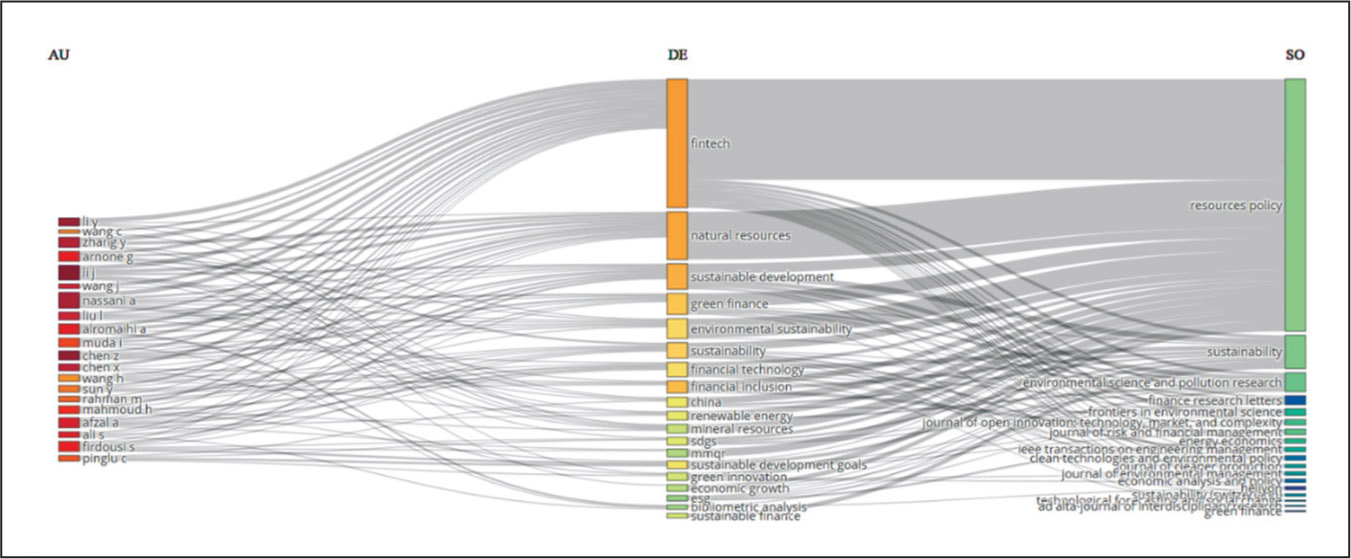
The diagram indicates that authors such as Li Y. and Wang C. have the strongest links with ‘fintech’ and ‘green finance’, suggesting that these are their primary research interests. Other keywords such as ‘financial inclusion’, ‘SDGs’, and ‘renewable energy’ further demonstrate the growing integration of sustainability within fintech research.
On the right side, the keywords are connected to the journals in which the studies were published. For example, ‘green finance’ is strongly associated with the journal Sustainability, while Resources Policy is more closely connected with ‘natural resources’ and ‘sustainable development’. Other important publication outlets include Environmental Science and Pollution Research and the Journal of Risk and Financial Management, highlighting the interdisciplinary nature of fintech and sustainability research.
Conceptual Clustering (Dendrogram Analysis)
The dendrogram illustrates the conceptual clustering of keywords within fintech and sustainability research (Figure 13). The clustering reveals several distinct but interconnected research themes.
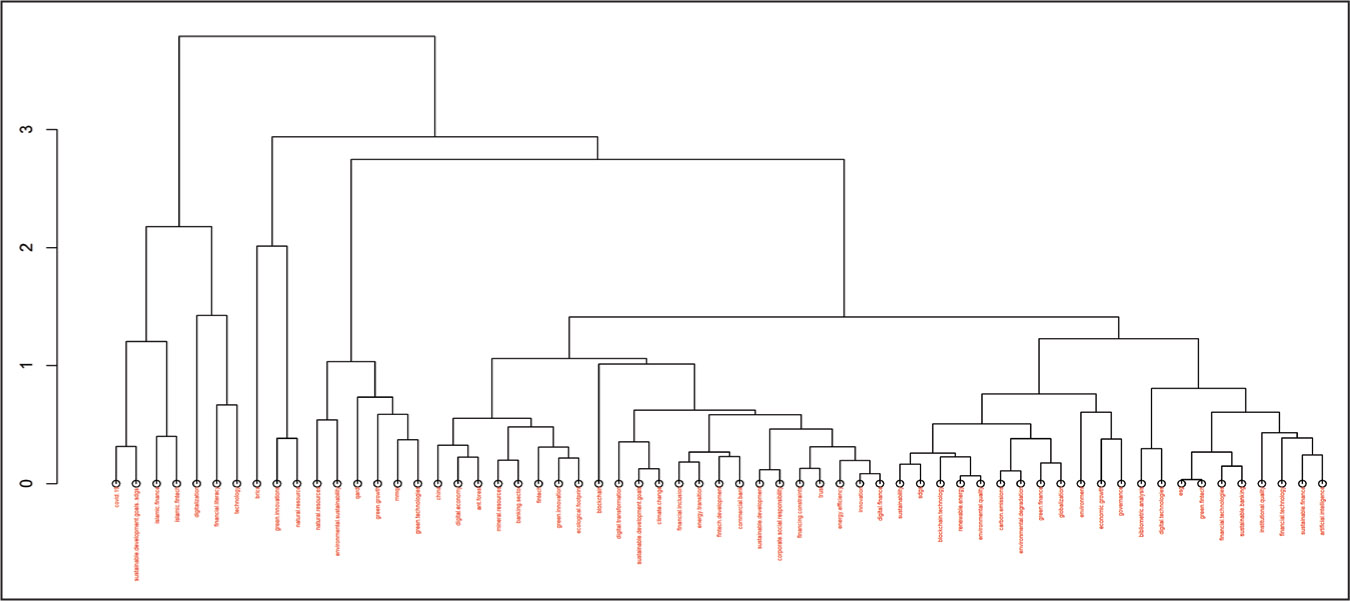
One major cluster consists of sustainability-related keywords such as ‘Sustainable Development Goals’, ‘environmental’, ‘green finance’, and ‘social responsibility’. These closely related concepts demonstrate the strong relationship between fintech and environmental as well as social sustainability. Among these keywords, ‘green finance’ emerges as one of the most central concepts because of its close association with environmental sustainability and CSR.
A second major cluster focuses on the technological aspects of fintech, including ‘blockchain’, ‘cryptocurrency’, ‘digital transformation’, and ‘artificial intelligence’. These keywords represent the technological innovations driving modern financial systems. The close relationship between blockchain and cryptocurrency reflects their integrated role within digital finance. The analysis also shows that ‘corporate governance’ and ‘green bonds’ serve as important connecting concepts between fintech and sustainability. Corporate governance links technological innovation with responsible business practices, while green bonds connect financial innovation with environmental sustainability. Similarly, ESG (Environmental, Social and Governance) and impact investing bridge sustainable finance with responsible investment practices.
Collaboration Patterns in Fintech and Sustainability Research
Author Collaboration Networks
The diagram illustrates the author collaboration network concerning fintech and sustainability (Figure 14). It reveals the complexity of collaboration partnerships among researchers who have worked together or conducted joint research. The central nodes in the network, ‘Nassani A’ and ‘Chen Z’, are larger than the others, indicating that they are key contributors to the field. The size of their nodes reflects their impactful research contributions and extensive collaborative partnerships. Within this research area, their prominence suggests that they play significant roles as emerging leaders and influential contributors in fintech and sustainability research.
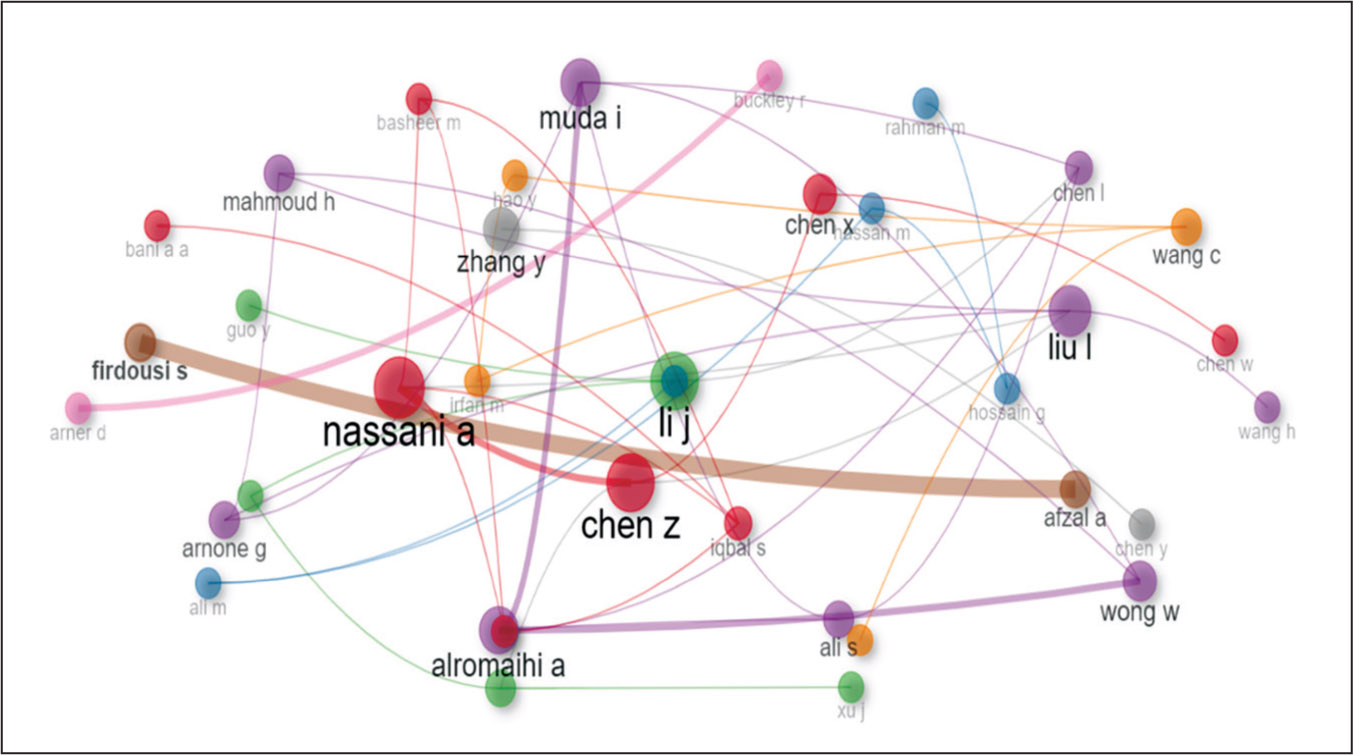
The network displays multiple clusters representing concentrated research groups or sub-disciplines. For example, the collaboration between ‘Ij J’ and ‘Muda I’ suggests that they belong to a similar research cluster focusing on dominant themes within fintech and sustainability. These clusters reflect academic collaboration networks where researchers with similar interests work closely together, allowing greater knowledge sharing and research synergy. Such clusters also indicate the specialised nature of research interests within the field.
Several authors, such as ‘Chen Z’ and ‘Alromaihi A’, serve as bridge or connector authors between different clusters. These researchers play a critical role by facilitating collaboration across research groups and connecting different sub-disciplines. Their presence promotes the exchange of ideas and supports the integration of diverse research themes. Without these bridging authors, the collaboration network would become more fragmented, limiting the integration of knowledge across fintech and sustainability research.
Authors located on the periphery of the collaboration network have opportunities to increase their research visibility by collaborating with more central researchers such as ‘Nassani A’ or ‘Chen Z’. Such collaborations can significantly enhance academic development by expanding research influence, increasing access to resources, and improving recognition within the scholarly community. Establishing new collaborations between currently isolated research clusters may also create new research directions, encourage interdisciplinary studies, and generate innovative perspectives by combining complementary areas of expertise.
Overall, the collaboration network demonstrates that authors play an important role in shaping the future direction of fintech and sustainability research. Collaboration, particularly across disciplines and geographical regions, strengthens knowledge integration, promotes innovation, and advances the development of the field.
Institutional Collaboration Networks
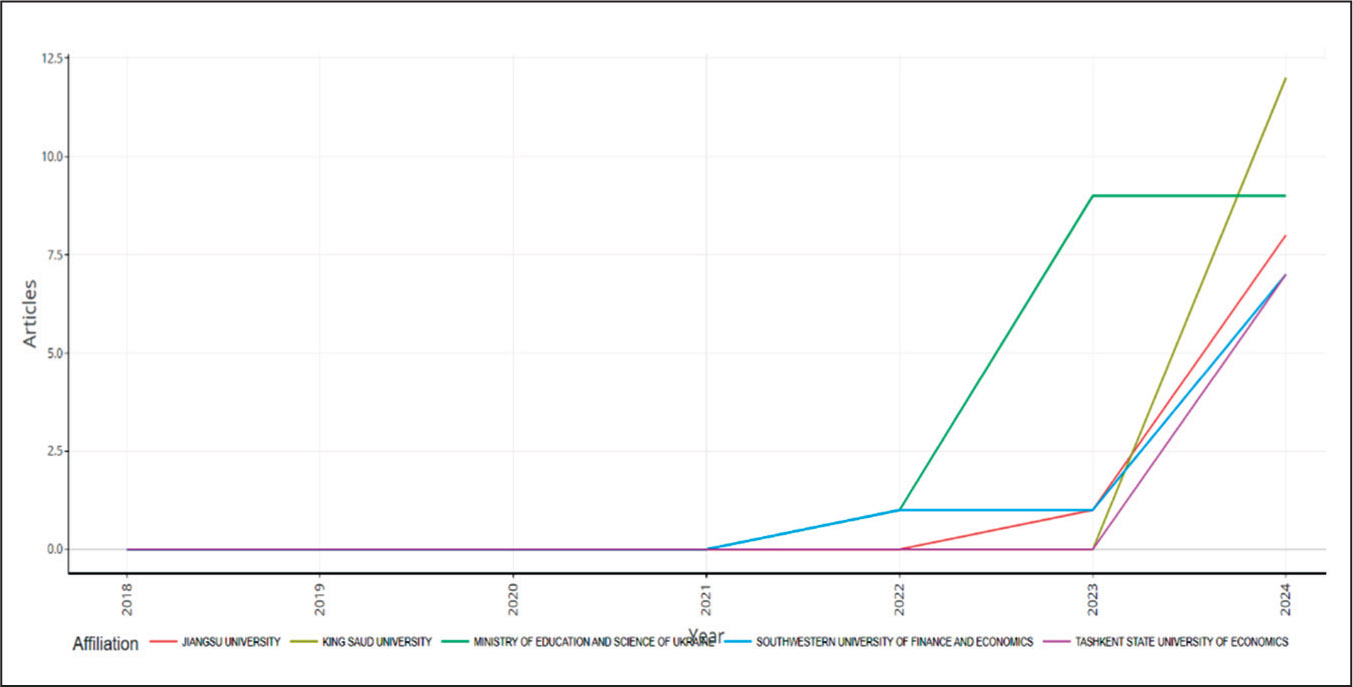
The institutional collaboration network illustrates the connections among universities and research institutions involved in fintech and sustainability research through joint publications and collaborative projects (Figure 15). King Saud University stands out because of its larger node size and extensive connections with other institutions, including Tashkent State University of Economics. The size of its node indicates its leading position in international collaboration and advanced research related to fintech and sustainability. Its central position reflects its significant contribution to promoting international research partnerships and innovation through collaborative research activities.
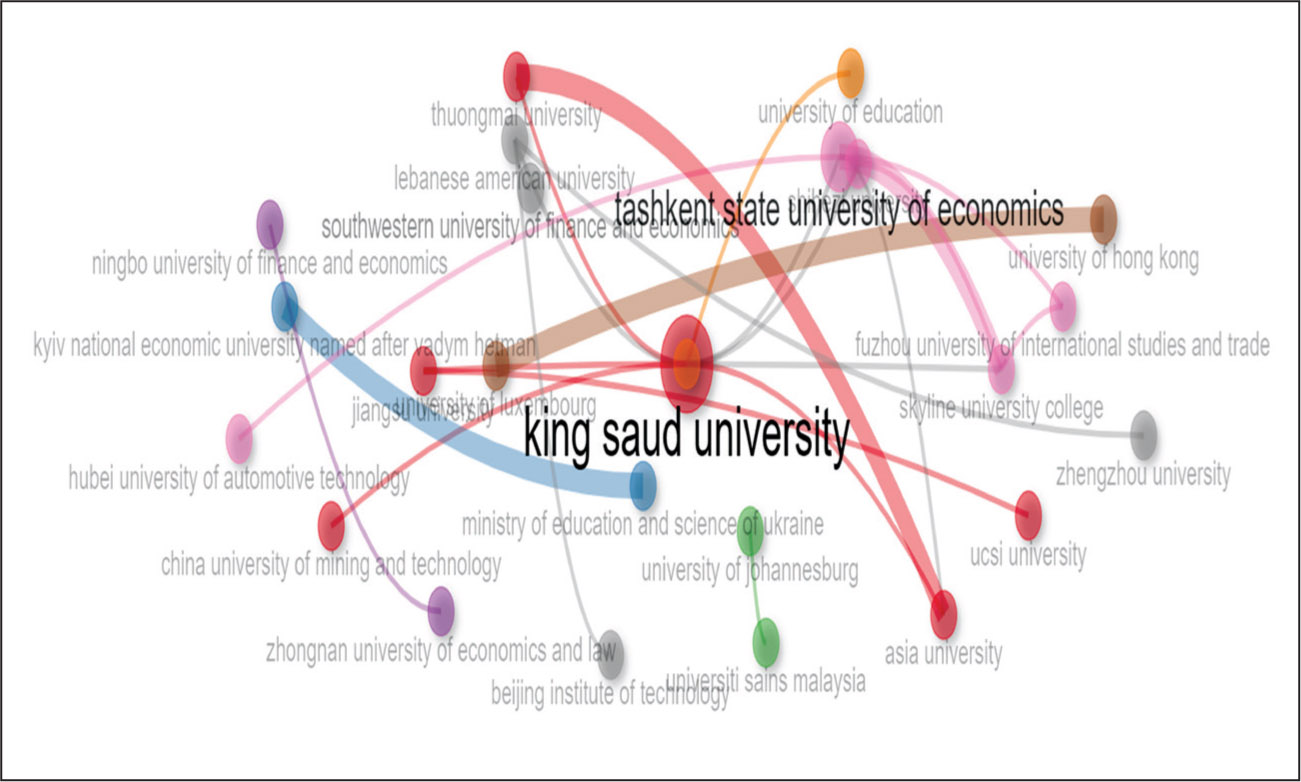
The network diagram also illustrates several regional collaboration clusters. King Saud University serves as an important connecting institution among universities in the Middle East and Asia. These regional clusters indicate strong collaborative research networks that have developed due to shared research interests, geographical proximity, and cultural or linguistic similarities. Such collaborations allow institutions to collectively address common research challenges and strengthen regional research capacity. At the same time, institutions such as King Saud University help connect these regional groups with researchers from other parts of the world.
Cross-border collaborations are also evident within the network. Institutions such as Ibn Khaldun University collaborate with King Saud University and several universities across Europe and Asia. These international partnerships create opportunities for exchanging knowledge, expertise, and innovative ideas related to fintech and sustainability. The presence of such global collaborations highlights the international nature of research in this field and supports the development of diverse and inclusive research partnerships.
The network also identifies opportunities for institutions with relatively fewer collaborations. Such institutions could strengthen their research capacity by establishing partnerships with highly connected universities such as King Saud University. Increased collaboration would improve access to research expertise, technology, funding opportunities, and international academic networks, thereby enhancing the overall quality and global impact of their research.
Country-level Collaboration
The country collaboration network provides a macro-level view of global research partnerships in fintech and sustainability by illustrating co-authorship and international collaboration patterns (Figure 16). At the centre of the network, China occupies the largest node, demonstrating its extensive research output and broad international collaboration with major research countries such as the United States, Saudi Arabia, and Malaysia. China’s central position reflects both the volume of its research and its important role in facilitating global knowledge exchange and collaborative research. It also indicates that China serves as one of the major driving forces in advancing fintech and sustainability research worldwide.
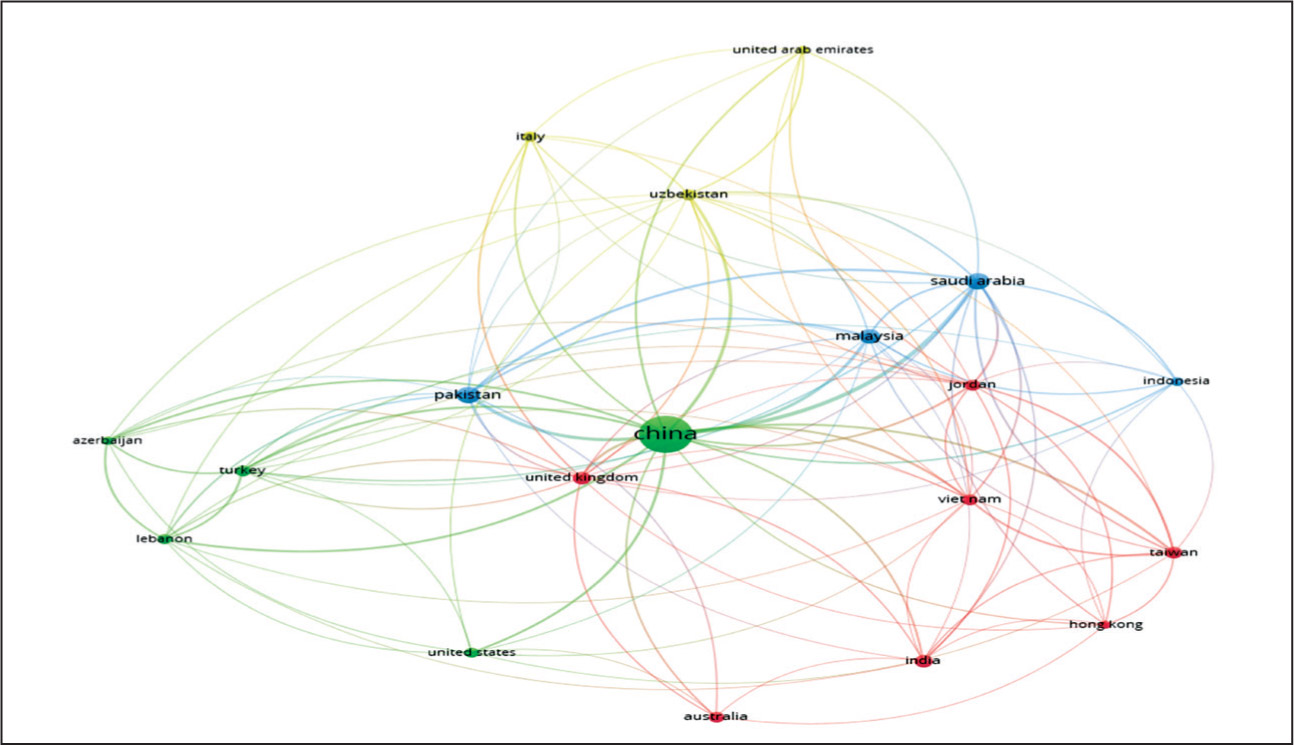
The network also highlights the important roles of countries such as the United States, United Kingdom, and Saudi Arabia, all of which serve as major contributors to the global research network. The United States acts as a central hub for collaboration across North America, while Saudi Arabia plays a significant role in connecting research activities across the Middle East with the global research community. These countries facilitate both regional and international collaborations, contributing to the advancement of fintech and sustainability research.
Countries such as India, Indonesia, and Vietnam are emerging contributors within the collaboration network. Although their collaborative networks are not yet as extensive as those of China or the United States, their growing participation demonstrates increasing research interest in fintech and sustainability. Continued international collaboration will strengthen their research capabilities and contribute valuable regional perspectives to the global research community.
Discussion: Evolution of Fintech’s Role in Sustainable Development
The bibliometric results prove that fintech and sustainable development have evolved from rather distinct lines of research towards a more integrated one. Publication volumes start to increase significantly after 2020, and the keyword co-occurrence, thematic and highly cited article analyses reveal clustering in the areas of financial inclusion, green finance, natural resources, ESG, digital finance, enterprise transformation and emerging technologies. The importance of the findings is therefore not confined to the growth in the number of publications. Together, they suggest a shift in the literature on fintech’s role in the financial services sector from focusing on the technology to fintech as a means to change the organisation and the ecosystem in relation to sustainability.
Theoretical Interpretation Through DCT
The transition can be explained with the help of DCT. The theory suggests that in ‘fast-changing environments’ organisations must have sensing capabilities to detect opportunities and threats, mobilising resources to exploit opportunities, and restructuring assets and processes to continue adapting (Teece, 2007; Teece et al., 1997). This logic is supported by the present bibliometric data. In recent years, fintech research has shifted its focus from technology adoption to the conversion of technological resources into innovative financial and sustainability capabilities: AI, blockchain, big-data analytics, green finance, ESG and digital financial ecosystems are becoming more and more prominent.
The review thus views fintech as an enabling capability and a value that has to be sustained, which in turn is facilitated by organisational and institutional processes. Sensing is the process of identifying unmet financial needs, climate finance opportunities, ESG information demands and new types of digital demand. Seizing is the process of introducing digital financial products and technologies to bring about a financial mobility of capital, financial extension, decision-making, and sustainable investments. The reconfiguration process includes reconfiguring organisational processes, stakeholder relations, governance, resource allocation and strategy, such that fintech becomes part and parcel of sustainability-oriented processes. The choice of the non-causal interpretation is intentional: the bibliometric study aims at finding patterns and relationships in the literature, whereas DCT aims at providing a theoretical account, a theory to interpret the patterns.
Fintech and Firm Behaviour
The citations to the literature in the dataset are evidence enough that the nexus of fintech and sustainability is becoming more granular and is now at the firm level. The studies on fintech adoption and the transformation of businesses suggest that fintech can have an impact on how firms can access finance, how they allocate resources, how they manage information and how they innovate and adapt to market conditions. Digital financial skills can thus influence behaviour, for example, in terms of managerial attention, investment decisions, risk assessment, and project selection for sustainable development. A dynamic capabilities view suggests that businesses with the ability to identify the opportunities for sustainability and translate those opportunities into sustainable activities via digital finance may have the best chance of being able to re-align resources to the new business models.
Fintech and Stakeholder Relationships
There are also shifts in stakeholder relationships highlighted by the bibliometric themes of financial inclusion, digital ecosystems, SMEs, and sustainable investment. Fintech has the potential to overcome geographical and informational constraints that limit the reach of financial services between financial institutions, customers, companies, investors, governments and underserved communities. Digital financial inclusion can expand access to financial services and systems through mobile banking, digital payments, digital lending and crowdfunding, and digital investment and ESG platforms can make sustainability-related information more visible. The developments indicate that further studies should not be only about the impact of fintech on access to finance but also on the redistribution of information, the impact on the involvement of actors and the impact on trust and accountability.
Fintech, Governance and Accountability
Governance becomes an important linkage between fintech and sustainable development. Some corporate governance, CSR, ESG, transparency and blockchain are considered significant bridging concepts in the keyword and conceptual analyses. AI and big-data analytics can enable monitoring and risk assessment, and blockchain can reinforce the traceability of transactions. But technology transparency is not a one-to-one guarantee of good governance. Issues surrounding data quality, privacy, cybersecurity, algorithmic bias, regulatory coordination, and accountability are still relevant. Therefore, the review recommends that governance arrangements should be in place to transform technology transparency into trustworthy accountability and responsible decision-making, in order to safeguard the future of fintech-enabled sustainability.
Fintech, Innovation and Sustainable Finance
The thematic analyses and co-occurrence show that the concepts of fintech, green finance, innovation, natural resources, renewable energy and sustainable development are closely related. This means that innovation is not only a product of technology, but also a process which can free up financial resources for activities that support sustainability. Fintech solutions like digital green-finance platforms, AI-driven assessment, blockchain-based verification, and more can enhance the efficiency and transparency of sustainable finance. The literature thus suggests that, going beyond traditional financial innovation, a transition towards sustainability-focused financial innovation is underway, where technological design, financial products, and environmental and social goals are becoming more and more intertwined.
Fintech and Firm Strategy
The results also indicate that fintech is gaining momentum as a strategy for companies rather than as a technology. Within the literature, the inclusion of themes such as enterprise transformation, sustainable business models, competitive advantage, innovation and digital ecosystems suggests that fintech can impact strategic decision-making regarding markets, resource allocation, partnerships and business-model configuration. This movement can be understood with the help of DCT: strategic value comes from the ability to adapt capabilities continuously in the face of technological and sustainability challenges. In future, it is therefore necessary to investigate whether there is a relationship between fintech capability and strategy oriented to sustainability, and under which organisational and institutional conditions this is the case.
Implications for Policy, Industry, and Academia
The growing integration of sustainability, economics, and fintech has important implications for policymakers, industry practitioners, and academia. As fintech services and technologies continue to evolve rapidly, governance and regulatory frameworks must also keep pace to ensure that these innovations support sustainable development. This assessment highlights how sustainable finance, fintech innovations, and supportive policy frameworks can collectively contribute to economic development, environmental sustainability, and social inclusion while encouraging innovation and entrepreneurship.
Policy Implications
Fintech services and technologies provide new opportunities for policymakers to develop governance and regulatory frameworks that promote sustainable development while ensuring responsible financial innovation. These technologies enable faster responses to customer needs by improving financial accessibility, supporting income generation, and promoting greater social and economic inclusion. In turn, they contribute to building a more balanced and sustainable financial ecosystem.
Policies supporting fintech innovation should be designed alongside broader sustainable development strategies. This integration is essential because fintech has the potential to promote financial inclusion, improve public financial management, and strengthen sustainable economic growth. Policymakers who align fintech innovations with global sustainability initiatives, such as the SDGs, can accelerate financial innovation while ensuring that technological advancement contributes to long-term social and environmental sustainability.
Industry Implications
The financial sector is well positioned to benefit from the growing integration of sustainable finance and fintech innovations. This convergence creates significant opportunities for responsible finance, business development, and sustainable investment. Fintech technologies enable investors to channel funds toward renewable energy projects, green initiatives, and environmentally and socially responsible investments. Through improved transparency and greater accessibility, digital financial technologies expand sustainable investment opportunities to a broader range of investors.
Beyond investment opportunities, fintech also provides affordable digital financial services to underserved populations, particularly SMEs and rural communities. Digital lending, peer-to-peer lending, and crowdfunding offer alternative financing options that are often more accessible than traditional banking services. These innovations strengthen entrepreneurship and improve collaboration between rural and urban business communities.
Digital financial technologies also facilitate economic development in underserved regions. Mobile banking, digital payments, and microfinance help integrate rural populations into the formal financial system by providing access to savings, credit, insurance, and other financial services. As a result, fintech promotes economic inclusion by supporting entrepreneurs, farmers, and small businesses.
Furthermore, many fintech firms are increasingly incorporating ESG principles into their financial products and services. By embedding sustainability metrics into investment and financing decisions, fintech companies can promote responsible business practices while providing customers with sustainable investment opportunities.
Academic Implications
Academically, the study contributes by moving the fintech-sustainable development discussion from a descriptive mapping of publications towards a theory-informed interpretation of the field. DCT provides a coherent lens for explaining how fintech-related technological change may be translated into sustainability-oriented organisational and ecosystem transformation. The findings suggest that future scholarship should examine not only which fintech technologies are adopted, but also the capabilities through which organisations sense sustainability opportunities, seize them through digital financial innovation, and reconfigure processes, relationships, governance, and strategy.
The results also support greater integration across finance, strategic management, information systems, sustainability, entrepreneurship, environmental studies, and public policy. In particular, research should examine the boundary conditions under which fintech creates inclusive and sustainable outcomes, including institutional quality, digital infrastructure, regulatory environments, organisational capabilities, data governance, and stakeholder trust. Such work would strengthen the theoretical development of the field by connecting fintech adoption with organisational transformation and measurable sustainability outcomes.
Future Research Directions
The findings of the bibliometric, thematic and theoretical analysis suggest further research should shift the focus from questions of whether fintech contributes to sustainable development to questions about how, why, for whom, and under what conditions. The new agenda further builds on the current approach of technology, green finance and inclusion, adding in the elements of firm behaviour, stakeholder relationships, governance, innovation, and strategy.
Future research should explore the role of AI, machine learning, big-data analytics, blockchain and other recently developed technologies in environmental sustainability in financial services and also assess the impact of these technologies on environmental sustainability. The challenges for efficiency, transparency, energy use, privacy, and responsible innovation should be highlighted. Research needs to address the impacts of fintech on managerial decision-making, risk management, resource allocation, sustainability investing, and work practices. Longitudinal studies could examine whether a change in the capability of fintech has a lasting impact on the behaviour of firms, or if it has effects on behaviour in the short term of using the technology.
Further studies should also examine the impact of digital financial ecosystems on the dynamics between financial institutions, their customers, investors, SMEs, governments and communities. Issues around trust, information asymmetry, stakeholder engagement, digital exclusion and benefit and risk sharing are key. There is a need for robust evidence from the literature on the role of governance arrangements in the mediation of fintech-enabled sustainability. Further research into regulatory technology, ESG reporting, algorithmic accountability, data governance, cyber security, privacy, and blockchain verification, comparing the various institutional settings, is possible. Research should focus on the potential of fintech as a tool for facilitating green innovation, circular business models, sustainable entrepreneurship, and sustainable value creation in new ways.
This is especially applicable for SMEs and companies that struggle to finance their environmentally and socially responsible innovations. Future research is recommended to explore fintech as a strategic capability and analyse the impact on competitive strategy, business-model change, partnerships, resource configuration, and sustainability strategy. The dynamic capabilities perspective can provide a good starting point for empirical testing of sensing, seizing and reconfiguring mechanisms. Research should explore the role of fintech platforms in driving up financing for renewable energy, adaptation to climate change, green bonds, sustainability finance, and ESG-driven investment. Further research is also needed to evaluate digital sustainability information and the environmental and social additionality of financial flows through fintech. There is a need for comparative and longitudinal research to establish if digital finance can yield long-term gains in financial inclusion, entrepreneurship, SME development, rural livelihoods and economic resilience.
Digital infrastructure, financial literacy, institutional quality and regulatory support should be taken into consideration as boundary conditions in studies (Table 7). Finally, the extent to which future research aims to link the level of technology adoption to firm-level behaviour and ecosystem-level sustainability outcomes will be a worthwhile endeavour. More differentiated, longitudinal, cross-country, mixed-method and multi-level designs would be useful for differentiating short- and longer-term effects on adoption from effects on longer-term organisational and sustainable development consequences.
| Research Area | Description | Potential Research Questions |
| Emerging Technologies in Sustainable Fintech | Examines AI, machine learning, blockchain, and big-data applications and their sustainability implications. | • How do emerging technologies improve sustainability-oriented financial services? |
| Fintech and Firm Behaviour | Examines changes in managerial decisions, resource allocation, risk assessment and sustainability-oriented organisational routines. | • How does fintech alter sustainability-related firm behaviour? |
| Fintech and Stakeholder Relationships | Examines digital ecosystems, trust, information asymmetry, stakeholder participation and inclusion. | • How does fintech reshape relationships among firms, investors, customers, governments and communities? |
| Fintech, Governance and Regulation | Examines ESG reporting, regulatory technology, accountability, privacy, cybersecurity and data governance. | • How can governance frameworks convert digital transparency into credible accountability? |
| Fintech, Innovation and Sustainable Business Models | Examines green innovation, circular business models, sustainable entrepreneurship and SME transformation. | • Does fintech capability strengthen green innovation and sustainable business-model development? |
| Fintech and Firm Strategy | Examines fintech as a strategic capability affecting competitive strategy, partnerships and resource reconfiguration. | • How do sensing, seizing and reconfiguring capabilities mediate fintech-enabled strategic transformation? |
| Climate, Green Finance and ESG | Examines digital climate finance, green bonds, ESG analytics and sustainability-linked financial products. | • Does fintech improve the additionality, transparency and efficiency of climate and sustainable finance? |
| Digital Financial Inclusion in Developing Economies | Examines digital finance, rural inclusion, entrepreneurship and SME development under different institutional conditions. | • How do infrastructure, literacy and regulation influence the sustainability outcomes of digital financial inclusion? |
Conclusion
The study employed bibliometric and integrative review techniques on 256 publications in Scopus and WoS from January 2011 to July 2024 to explore the development of fintech and sustainable development research. The analysis highlights the significant growth of the field since 2020 and reveals a new mix of research domains, including financial inclusion, financial green, natural resources, SDGs, digital financial ecosystems, and new technologies. The main contribution of the study is the interpretation of this evolution in the light of DCT. The results indicate that fintech is not just a group of digital financial technologies. Instead, its sustainability relevance comes to the fore when organisations and financial ecosystems leverage technology to identify sustainability-related opportunities, access them through new financial instruments, and restructure processes, resources, stakeholder relations, governance processes and strategy. This interpretation links the bibliometric evidence to the organisational or institutional aspects of sustainable development and addresses the lack of theoretical grounding in the literature.
The review also demonstrates that sustainability with fintech is a multi-faceted phenomenon. Financial inclusion increases access to formal finance and has the potential to benefit households, entrepreneurs, SMEs and unbanked communities. Green finance, ESG applications and digital investment systems can help to mobilise and track investments for environmentally and socially responsible activities. Meanwhile, blockchain, AI and big-data analytics offer new ways to be transparent, manage risk and make data-informed decisions. Such opportunities come with governance issues on privacy and cybersecurity, data quality, regulatory coordination, and accountability.
The results also suggest that future literature focus should shift from documenting technological adoption to explaining the organisational and ecosystem outcomes. Specifically, there is a need for research on the impact of fintech on firm behaviour, stakeholder relationships, governance, firm innovation, and firm strategy, both within and between developed and developing economies. This study’s future research agenda thus focuses on multi-level, longitudinal, comparative, and theory-driven research, not on continued description mapping alone. The evidence points to the need for policy and industry players to keep fintech innovation in check and coordinated with sustainability goals and governance frameworks.
The study offers a conceptual framework for academics to draw on to connect fintech capabilities with tangible economic, social and environmental results. In sum, the contribution of fintech to sustainable development is substantial, but hinges on the way in which digital financial innovation is implemented, in terms of its organisational potential, stakeholder arrangements, institutional conditions and governance.
Limitations of the Study
The purpose of this study was to conduct a holistic bibliometric research and integrative review of the literature on the ‘fintech and sustainable development nexus’. There are a few potential drawbacks to keep in mind, however. It is essential to be aware of the above limitations when interpreting the results and planning future studies on this dynamic field. The study uses data from two big academic databases, Scopus and WoS. All these databases offer good quality and reliable scholarly sources, but by no means do they cover any and all relevant literature. Other scholarly sources such as conference papers, industry journals, policy documents, and other important studies not included in these databases may have been omitted. As a result, some new, practice-oriented, policy-related, and practitioner contributions may be under-represented although relevant to the field.
Second, only English-language published documents were considered. This helps to ensure the consistency of the review and analysis, but could mean that valuable studies published in other languages are not included. Fintech and sustainable development are international research fields, for which relevant research contributions from non-English-speaking countries may not have been included. The addition of these studies may give a wider perspective of the field and help to enhance the overall extent of future reviews. Thirdly, the period of the analysis (2017-2024) does not allow for a comprehensive analysis of the long-term development of the research on this topic. The position of fintech and sustainable development as a relatively new combined research field means that a lot of literature was published in the last few years. Additionally, newer publications tend to be cited less than older publications since they have not yet been around long enough to garner scholarly recognition. Thus, recent studies might be underestimated by citation-based measures.
The other restriction is related to the nature of the bibliometric analysis itself. The methods used in bibliometric analysis are mainly quantitative ones, including citation analysis, co-authorship network analysis, collaboration pattern analysis, and thematic mapping. These tools give a good overall picture of research productivity, influence, and collaboration, but are not comprehensive enough to assess the merit of an individual piece of research in terms of quality, theory, or usefulness.
Thus, the results should be considered in conjunction with qualitative analysis of the literature. Moreover, the search method used employed a keyword-based search, with the main keywords ‘Fintech’ and ‘Sustainable Development’. While these keywords successfully retrieved the main literature, there is a possibility that some relevant studies that used different terminology or concepts were not retrieved. This means that the final data set might not include some of the research that was found in the data set that related to the theme without using the keywords. Lastly, fintech and sustainable development are going through a constant transformation. Research results can soon become obsolete due to continuous technological innovation, dynamic regulatory frameworks, and new challenges for sustainability. The dynamism of the field is an inherent restriction and should be brought to light, as the need for updates and future bibliometric reviews is inevitable for new developments and emerging research directions.
The authors extend their gratitude to their home institution for providing the necessary support during this research.
The authors declared no potential conflicts of interest with respect to the research, authorship and/or publication of this article.
This research was conducted following all relevant ethical standards. As the study did not involve human or animal subjects, formal ethical approval was not required.
The authors received no financial support for the research, authorship and/or publication of this article.
Not applicable.
Vinoth Kumar S https://orcid.org/0009-0001-9523-6651
Agrawal S. S., Rose N., & PrabhuSahai K. (2024). The fintech revolution: AI’s role in disrupting traditional banking and financial services. Decision Making: Applications in Management and Engineering, 7(1), 243–256.
Arner D. (2020). Sustainability, ESG, and financial inclusion. European Business Organization Law Review. https://doi.org/10.1007/s40804–020–00183–y
Awais M. (2023). Is fintech the missing link for sustainable resource utilisation and economic development? Resources Policy. https://doi.org/10.1016/j.resourpol.2023.103309
Dar B. I., Badwan N., & Kumar J. (2024). Investigating the role of fintech innovations and green finance toward sustainable economic development: A bibliometric analysis. International Journal of Islamic and Middle Eastern Finance and Management, 17(6), 1175–1195.
Demir A. (2022). Fintech, financial inclusion, and income inequality: A quantile regression approach. European Journal of Finance. https://doi.org/10.1080/1351847X.2020.177235
Deng X. (2019). Fintech and sustainable development: Evidence from China based on P2P data. Sustainability. https://doi.org/10.3390/su11264634
Gomber P., Kauffman R. J., Parker C., & Weber B. W. (2018). On the fintech revolution: Interpreting the forces of innovation, disruption, and transformation in financial services. Journal of Management Information Systems, 35(1), 220–265.
Griggs D., Stafford Smith M., Rockström J., Öhman M. C., Gaffney O., Glaser G., Kanie N., Noble I., Steffen W., & Shyamsundar P. (2014). An integrated framework for sustainable development goals. Ecology and Society, 19(4).
Gupta M., Gupta D., & Rai P. (2023, November). Digital payment systems and financial inclusion: Examine how digital payment systems, such as mobile wallets and digital currencies, can improve financial inclusion by providing access to banking services for the unbanked and underbanked population. In International Conference on Computing and Communication Networks (pp. 725–737). Springer Nature Singapore.
Hinson R. (2019). Transforming agribusiness in developing countries: SDGs and the role of fintech. Current Opinion in Environmental Sustainability. https://doi.org/10.1016/j.cosust.2019.07.002
Kumari A., & Devi N. C. (2022). The impact of fintech and blockchain technologies on banking and financial services. Technology Innovation Management Review, 12(1/2).
Kwong R., Kwok M. L. J., & Wong H. S. (2023). Green fintech innovation as a future research direction: A bibliometric analysis on green finance and fintech. Sustainability, 15(20), Article 14683.
Lisha L. (2023). Natural resources, green innovation, fintech, and sustainability: A fresh perspective. Resources Policy. https://doi.org/10.1016/j.resourpol.2022.103119
Liu H., Yao P., Latif S., Aslam S., & Iqbal N. (2022). Impact of green financing, fintech, and financial inclusion on energy efficiency. Environmental Science and Pollution Research, 29(13), 18955–18966.
Luo S. (2022). Does fintech innovation promote enterprise transformation? Evidence from China. Technology in Society. https://doi.org/10.1016/j.techsoc.2021.101821
Macchiavello E., & Siri M. (2022). Sustainable finance and fintech: Can technology contribute to achieving environmental goals? A preliminary assessment of ‘green fintech’ and ‘sustainable digital finance’. European Company and Financial Law Review, 19(1), 128–174.
Matyushok V., Krasavina V., Berezin A., & Sendra Garcia J. (2021). The global economy in technological transformation conditions: A review of modern trends. Economic Research–Ekonomska Istraživanja, 34(1), 1471–1497.
Mookerjee J., Bhuriya M. K., Josphin R., & Radhakrishnan G. V. (2025). Digital banking and financial inclusion in rural economies. South Eastern European Journal of Public Health, 26(1), 954–963.
Ng T. H., Lye C. T., Chan K. H., Lim Y. Z., & Lim Y. S. (2020). Sustainability in Asia: The roles of financial development in environmental, social and governance (ESG) performance. Social Indicators Research, 150(1), 17–44.
Offiong U. P., Szopik–Depczy?ska K., & Ioppolo G. (2025). Fintech innovations for sustainable development: A comprehensive literature review and future directions. Sustainable Development, 33, 1459–1471.
Peeters H. (2003). Sustainable development and the role of the financial world. Environment, Development and Sustainability, 5(1), 197–230.
Pizzi S. (2021). Fintech and SMEs sustainable business models: Reflections and considerations for a circular economy. Journal of Cleaner Production. https://doi.org/10.1016/j.jclepro.2020.125217
Setiawan B. (2021). User innovativeness and fintech adoption in Indonesia. Journal of Open Innovation: Technology, Market, and Complexity. https://doi.org/10.3390/joitmc7030188
Teece D. J. (2007). Explicating dynamic capabilities: The nature and microfoundations, of (sustainable) enterprise performance. Strategic Management Journal, 28(13), 1319–1350. https://doi.org/10.1002/smj.640
Teece D. J., Pisano G., & Shuen A. (1997). Dynamic capabilities and strategic management. Strategic Management Journal, 18(7), 509–533. https://doi.org/10.1002/(SICI)1097–0266(199708)18:7<509::AID–SMJ882>3.0.CO;2–Z
Zhao Q. (2019). Improving fintech service innovation strategies for enhancing China’s banking industry competitive advantage during the fintech revolution: A hybrid MCDM model. Sustainability. https://doi.org/10.3390/su11105419
